

Cybersecurity is no longer just an IT issue. For CFOs, it is a financial stability issue, a business continuity issue, and an insurability issue.
Many companies have some form of cybersecurity training in place. Employees sit through an annual module, answer a few quiz questions, and check the compliance box. The problem is that cybercriminals are not testing whether your employees completed training.
The Problem with Annual Cyber Training
Traditional cybersecurity training often focuses on compliance rather than behavior change. Employees may hear about phishing, password hygiene, ransomware, and suspicious links once a year, but that does not mean they will remember what to do when a convincing email appears to come from a vendor, bank, executive, or client.
The most effective cyber programs move from one-time instruction to continuous reinforcement. Instead of one broad annual session, businesses should use short, focused lessons throughout the year. This can include microlearning on phishing, email spoofing, password practices, wire transfer verification, and safe downloading.
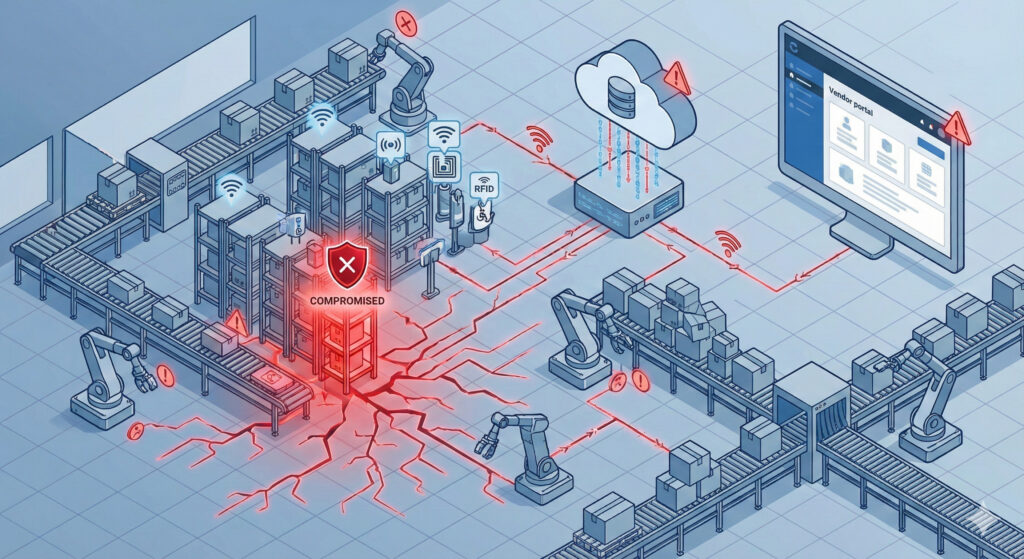
This matters because human error can become a direct financial loss. A mistaken click, an approved fraudulent invoice, or a compromised login can lead to downtime, legal costs, notification expenses, lost revenue, and reputational harm.
Cyber Training Should Match the Employee’s Role
Not every employee faces the same cyber risk.
A finance employee may be targeted through fake invoices, vendor impersonation, or fraudulent wire transfer requests. An HR employee may be targeted because they handle payroll, benefits, Social Security numbers, and employee records. An executive may be targeted through business email compromise. IT may face threats involving system access, insider activity, and vendor integrations.
Generic training misses this point.
Role-specific training helps employees see how cybersecurity connects to their actual work. It moves the conversation from “cybersecurity is important” to “this is exactly how someone may try to trick you in your job.”
That is where confusion starts turning into clarity.
Cybersecurity Culture Starts with Leadership
Employees pay attention to what leadership prioritizes. If cybersecurity is treated as an IT department project, employees will usually treat it the same way.
A stronger approach is to make cybersecurity part of the company’s operating culture. Senior leadership should reinforce secure behavior, participate in training, and support practical controls such as multifactor authentication, secure communication protocols, access restrictions, and incident reporting procedures. For CFOs, this is not about creating bureaucracy. It is about reducing volatility. Predictability leads to profit, and cybersecurity controls help reduce the chance that one employee mistake becomes a six-figure operational disruption.

Role-specific training helps employees see how cybersecurity connects to their actual work. It moves the conversation from “cybersecurity is important” to “this is exactly how someone may try to trick you in your job.”
Practical Steps CFOs Can Support
A prevention-first cyber strategy does not need to be complicated. CFOs can help drive improvement by asking practical questions:
- Do we train employees more than once per year?
- Do finance and accounting employees receive fraud-specific training?
- Do we require call-back verification for bank change requests?
- Do employees know how to report suspicious emails?
- Are cybersecurity expectations included in performance or management discussions?
- Do we test employees with simulated phishing or similar exercises?
- Can we prove to underwriters that these controls exist?
The last question matters. Underwriters reward businesses that can prove they manage risk well. Cyber insurance applications increasingly ask about training, MFA, backups, endpoint protection, incident response, and funds transfer controls. A business that can document its controls is in a better position than one that simply says, “We take cybersecurity seriously.”
How This Affects Insurance
Cyber insurance is not a substitute for cybersecurity. It is part of a broader risk strategy.
A strong cyber policy can help finance the response after a breach, ransomware event, or fraudulent funds transfer. But insurance works best when paired with controls that reduce the likelihood and severity of the event in the first place.
For CFOs, this is the key point: cybersecurity culture can affect both loss prevention and insurance outcomes. Better controls may improve underwriting results, support better coverage conversations, and reduce the chance of a claim that disrupts cash flow.
Conclusion
Cybersecurity training should not be a compliance ritual. It should be a practical system for changing behavior, reducing human error, and protecting the business from preventable financial loss.
For CFOs, the goal is not to turn every employee into an IT expert. The goal is to create a workforce that recognizes risk, verifies unusual requests, reports suspicious activity, and understands its role in protecting the company.
That is prevention-first risk management in practice.
Stillwell Risk Partners helps businesses evaluate cyber risk, strengthen controls, and align insurance coverage with the realities of today’s threat environment. The first step is conducting a Cyber Resiliency Assessment.