
A lifting injury may look like a safety issue. For a CFO, it’s also a productivity issue, a staffing issue, a workers’ compensation issue, and a profitability issue.
When employees are injured, the cost is rarely limited to the medical bill. The business may face lost time, overtime for replacement workers, reduced productivity, supervisor disruption, retraining, claim administration, and potential workers’ compensation premium impact.
That is why ergonomics should not be treated as a side topic. It should be part of a prevention-first workers’ compensation strategy.
Lifting Injuries Are Usually Not Random
Many lifting injuries are described as accidents, but they often involve predictable risk factors.
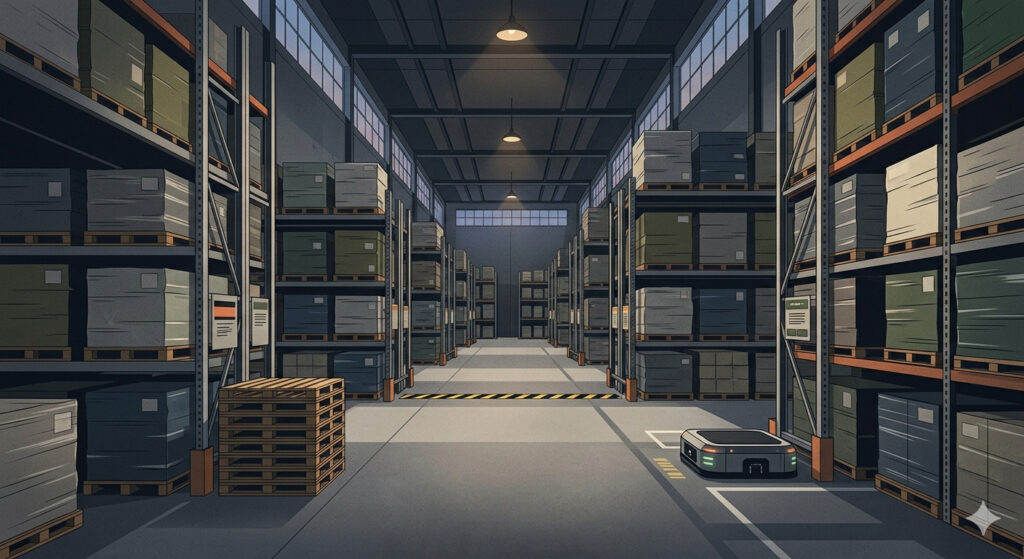
Common contributors include poor lifting technique, heavy or awkward loads, holding loads too far from the body, repetition, fatigue, slippery floors, cluttered work areas, poor lighting, limited visibility, rushing, and pre-existing injuries.
In other words, the injury may happen in a moment, but the risk often builds over time. That is good news for CFOs because risks that can be identified can often be reduced.
Why Ergonomics Matters Financially
Ergonomics is the process of fitting work to people. A strong ergonomics program looks at job tasks, workstation layout, lifting requirements, repetition, posture, tools, vibration, fatigue, and employee feedback.
Poor ergonomics can contribute to musculoskeletal disorders, absenteeism, workers’ compensation claims, and long-term productivity problems. A structured ergonomics program helps employers identify risk factors, train workers, collect health and medical evidence, implement controls, and evaluate program effectiveness.
For CFOs, this is where prevention connects directly to cost control. A company that reduces lifting injuries may reduce claim frequency, lost workdays, replacement labor, and operational disruption. Over time, that can improve the company’s workers’ compensation story.
Where Companies Often Miss the Risk
Many companies focus only on training employees to “lift properly.” Training matters, but it is not enough.
If the load is too heavy, stored too low, shaped awkwardly, moved too often, or handled in a rushed environment, even a well-trained employee may be at risk.
A stronger approach looks at the task itself:
- Can the load be stored between knee and chest height?
- Can mechanical assistance be used?
- Can the object be made lighter or easier to grip?
- Can two-person lifts be required above a certain threshold?
- Can repetitive lifts be reduced?
- Can workflow be changed to reduce twisting or reaching?
- Can employees report discomfort early?
This moves the company from reaction to prevention.
A lifting injury may look like a safety issue. For a CFO, it’s also a productivity issue, a staffing issue, a workers’ compensation issue, and a profitability issue.
The Role of Documentation
Insurance Underwriters reward businesses that can prove they manage risk well. Saying “we have a safety program” is not the same as showing that lifting hazards are being identified, corrected, and tracked.
Better documentation may include:
- Job hazard analyses
- Ergonomic checklists
- Employee training records
- Incident trend reviews
- Corrective action logs
- Supervisor inspections
- Return-to-work procedures
- Employee symptom reporting processes
Better documentation leads to better outcomes because it gives leadership, employees, claims adjusters, and underwriters a clearer picture of how the company manages risk.
How This Affects Insurance
Workers’ compensation insurance responds after an employee injury. But a company’s claim history can influence future costs, underwriting appetite, and program structure.
The real goal is not simply to buy workers’ compensation coverage. The goal is to reduce the total cost of risk.
That means using safety, ergonomics, training, claims management, and return-to-work practices to reduce the frequency and severity of claims.
Conclusion
Lifting injuries may be common, but they should not be accepted as unavoidable.
For CFOs, ergonomics is a practical tool for reducing operational friction, protecting employees, improving productivity, and strengthening workers’ compensation results.
Stillwell Risk Partners helps businesses connect safety controls, claims outcomes, and insurance strategy so risk management becomes a driver of predictability and profitability.