
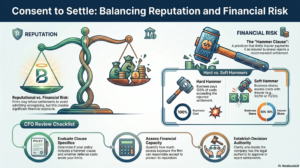
Legal Malpractice Insurance Renewal Guide for Law Firms
Legal Malpractice Insurance: What Law Firms Should Review Before Renewal Legal Malpractice Insurance is expensive. The question that can often be overlooked is – where is the policy most expensive? The policy premium is where the attention is naturally drawn. It’s right there on the declarations pages and in your

Pennsylvania Workplace Safety Committee: Setup and 5% Discount
So you’re thinking about setting up a Workplace Safety Committee. There are generally two reasons businesses set up a safety committee, and they’re not mutually exclusive.

Why Professional Services Firms Need More Than a Basic Business Insurance Package
Professional services firms are not simple office risks. They are trust-based businesses with meaningful liability, cyber, employment, crime, and reputational exposures.

Wage and Hour Mistakes Are a CFO Risk, Not Just an HR Problem
The issue is not simply whether employees are being paid. The issue is whether the business can prove they are being paid correctly.
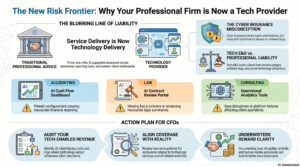
Tech E&O, Cyber Insurance, and AI: Why Professional Services Firms May Now Have Technology Company Risk
Professional services firms using AI, automation, client portals, analytics tools, or software-enabled deliverables may now have Technology Company Risk. Learn why CFOs should review cyber insurance, professional liability, Tech E&O coverage, contracts, and AI controls before a claim occurs.
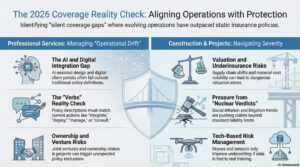
Six Insurance Coverage Gaps CFOs Should Review Before a Claim Happens
Coverage reviews should go beyond annual pricing comparisons. Learn six common insurance coverage gaps CFOs should evaluate before a claim happens, including equipment breakdown, contingent business interruption, employment practices liability, silent cyber, hired and non-owned auto, and social engineering.