Legal Malpractice Insurance Renewal Guide for Law Firms
Legal Malpractice Insurance: What Law Firms Should Review Before Renewal Legal Malpractice Insurance is expensive. The question that can often be overlooked is – where

Legal Malpractice Insurance: What Law Firms Should Review Before Renewal Legal Malpractice Insurance is expensive. The question that can often be overlooked is – where

So you’re thinking about setting up a Workplace Safety Committee. There are generally two reasons businesses set up a safety committee, and they’re not mutually exclusive.

Professional services firms are not simple office risks. They are trust-based businesses with meaningful liability, cyber, employment, crime, and reputational exposures.
Coverage reviews should go beyond annual pricing comparisons. Learn six common insurance coverage gaps CFOs should evaluate before a claim happens, including equipment breakdown, contingent business interruption, employment practices liability, silent cyber, hired and non-owned auto, and social engineering.

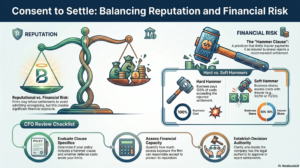
A consent to settle clause can give businesses a voice in whether a liability claim is settled, but it may also create financial trade-offs if the policy includes a hammer clause. Learn what CFOs should review before a claim occurs.

A lot of businesses don’t need just one environmental form. They may need a combination depending on whether the exposure is tied to a site, operations, tanks, transportation, or all of the above.

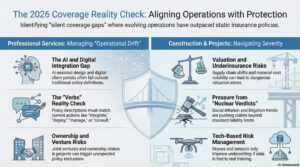
That gap—between how you operate today and how you were described when coverage was placed—doesn’t show up when things are calm. It shows up during a claim, when someone asks: “Is this even covered?”

Most HR problems don’t begin with bad intent. They begin with speed.
A manager is trying to cover a shift. Payroll is trying to close the week. An employee needs time off. Everyone’s busy—and a small “we’ll fix it later” decision turns into a complaint, an investigation, or a lawsuit.
2026 is shaping up to be a year where wage-and-hour compliance, leave administration, and culture-driven risk collide. The prevention-first approach is simple: tighten the system before your people and processes get stressed.

Unlike accidents or lawsuits, workforce risks often grow gradually — until they suddenly become expensive.

Employment-related claims rarely start with malicious intent. They usually start with: